
What is physiotherapy and is it right for me?
Physiotherapy is a form of healthcare focused on helping you recover well, move better and rebuild confidence in your body over time. In simple terms, it looks at how your body is functioning, where capacity may have dropped away, and what may be contributing to pain, weakness, movement limitation or recurring setbacks. At Human Movement Co., physiotherapy is not just about short-term relief. It is about understanding what is driving the problem, improving function, and helping you rebuild strength, load tolerance and capacity with a clear plan.
Physiotherapy care explained
Physiotherapy is rehabilitation-led care focused on diagnosis, exercise, load tolerance and improving capacity over time. It can include structured rehab, practical advice, movement assessment and progressive exercise-based support to help you recover well and return to function with more confidence.
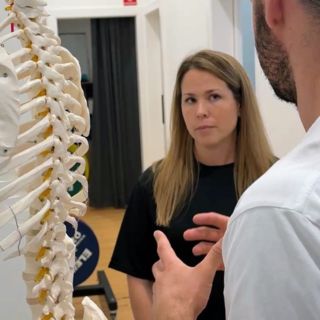
Diagnosis
Physiotherapy starts with understanding what is driving the problem. That means looking at your symptoms, your movement, your load history and the broader context around how the issue developed, so treatment can be tailored properly from the outset.
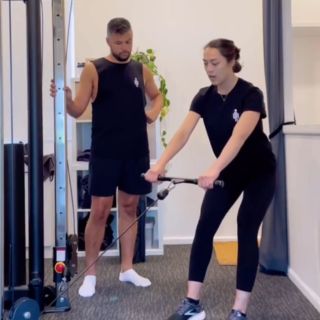
Exercise & rehab
Exercise is often a central part of physiotherapy, but it is not about random stretches or generic rehab sheets. It is about choosing the right movements, loading them appropriately and progressing them in a way that helps restore function over time.
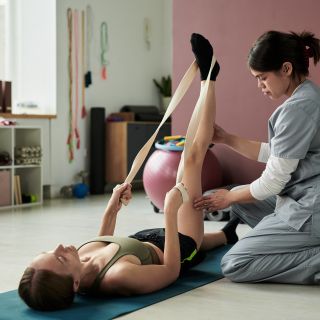
Capacity
Pain is only part of the picture. Physiotherapy also looks at strength, control, confidence and how well your body is tolerating the demands of work, sport and daily life. The aim is not just to settle symptoms, but to help your body do more again.
Is a physiotherapist the right practitioner for me?
Choosing the right practitioner often comes down to what’s been going on, how your body is functioning, and what kind of care you need most right now. Physiotherapy may be a good fit if you are dealing with injury recovery, post-surgical rehabilitation, reduced capacity, pain that needs progressive exercise-based support, or the need for a more structured rehab plan. In some cases, another practitioner may be more suitable — or you may benefit from a combined approach.
When physiotherapy may help
Physiotherapy may be a good fit if you are dealing with injury recovery or post-surgical rehabilitation, weakness, reduced capacity, or a loss of confidence in movement. It can also be helpful when you need a structured rehab plan, progressive exercise-based support, or a clearer pathway back to daily activity, work, training or sport. At Human Movement Co., physiotherapy is often suited to people looking for practical, exercise-led care that helps rebuild strength, restore function and improve long-term capacity.
When another practitioner may be more suitable
In some cases, another practitioner may be the better place to start. If your main issue feels more linked to spinal tension, restriction, posture-related stiffness, recurring joint irritation, or you are specifically looking for more hands-on movement-restoring care, chiropractic may be more appropriate. Some people also benefit from a combined approach, depending on what is going on and what kind of support they need. The most important thing is finding the right fit for your body, your goals and the stage of recovery you are in.
Common conditions we help with
Many of our existing patients started by searching for the problem they were dealing with, not necessarily the type of care they needed. If you’re dealing with pain, weakness, reduced capacity, recurring setbacks or movement issues that need a more structured rehab path, these pages are a helpful place to learn more about the common conditions we see and how physiotherapy may help.
Lower Back Pain
Learn more about lower back pain, how load, strength and movement capacity can influence recovery, and when physiotherapy may help you return to function more confidently.
Neck Pain
Explore neck pain, stiffness and postural load through a more rehabilitation-led lens, including how strength, movement and progressive recovery can all play a role.
Shoulder Pain
Understand common sources of shoulder pain and how physiotherapy may help rebuild strength, improve load tolerance and support a steadier return to function.
Sciatica
Learn more about sciatic pain, nerve irritation and how physiotherapy may help improve movement, build capacity and support recovery over time.
Headaches
Explore the link between headaches, neck tension, posture and physical load, and how rehabilitation-focused care may help improve function and reduce recurrence.
Postural Strain
Find out how repeated daily load, work posture and reduced physical capacity can build into persistent tension and stiffness over time.
Injury Recovery
Learn more about structured rehabilitation after injury and how physiotherapy may help restore strength, confidence and return-to-function capacity.
Sports Injuries
Explore how physiotherapy may help with sports injuries through progressive rehab, better load tolerance and a clearer path back to training and performance.
Techniques and modalities we may use
Physiotherapy can involve a range of rehabilitation strategies, movement-based tools and clinical approaches depending on what is going on and what your body needs. At Human Movement Co., the goal is not to use the same approach for everyone. Care may include exercise-based rehab, post-surgical recovery, joint-specific rehabilitation and progressive strength-building depending on your symptoms, presentation and goals.
Exercise Prescription
Exercise prescription is often central to physiotherapy and may be used to rebuild strength, improve control, increase load tolerance and support meaningful progress beyond the treatment room.
Post-Surgical Rehab
Post-surgical rehab may be used to help restore movement, rebuild strength and guide a safe, progressive return to daily function after surgery.
ACL Rehab
ACL rehab focuses on rebuilding strength, stability, confidence and movement quality through a progressive program tailored to the stage of recovery.
Shoulder Rehab
Shoulder rehab may help improve strength, control and load tolerance where pain, weakness or movement restriction are affecting function.
Knee Rehab
Knee rehab may be used to rebuild lower-limb strength, improve movement confidence and support a more reliable return to walking, training or sport.
Ankle Rehab
Ankle rehab may help restore balance, strength and stability after injury, while improving load tolerance and reducing the risk of recurring setbacks.
How we think about care
At Human Movement Co., physiotherapy sits within a bigger philosophy of helping people understand their body, move with more confidence and achieve progress that lasts. If you want to get a better feel for how we work, who we help, and where to begin if you’re new, these pages are the best next step.
Explore our approach
Learn more about the philosophy behind our care, including how we assess, explain and build treatment plans around movement, function and long-term progress.
Who we help
Explore the types of people we commonly work with, from desk-bound professionals, tradies and active parents and people wanting to stay mobile, capable and confident in their body.
Start here
New to Human Movement Co.? Start Here gives you a clear overview of what to expect at your first appointment and how our process works before you commit to booking.
Choose your clinic
If you’re ready to explore physiotherapy in more detail, the next step is choosing the clinic location that suits you best. Both of our clinics offer movement-focused physiotherapy, with pages that explain more about each location, the team, and how to book.
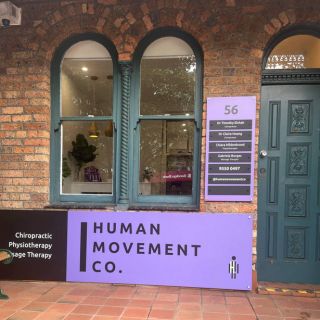
Physiotherapy in Leichhardt
Explore our Leichhardt physiotherapy page to learn more about our Inner West clinic, how we approach rehab and next steps if you’re ready to book.
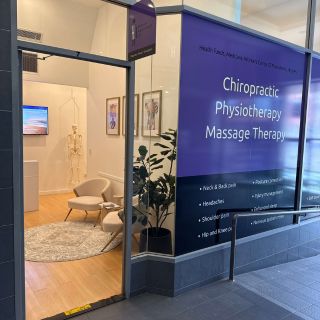
Physiotherapy in Gladesville
Explore our Gladesville physiotherapy page to learn more about our Lower North Shore clinic, how we approach rehab and next steps if you’re ready to book.
Frequently Asked Questions (FAQS) about physiotherapy
If you’re still working out whether physiotherapy is the right fit, these are some of the most common questions people have before booking.
Physiotherapy may be a good fit if you are dealing with injury recovery, post-surgical rehabilitation, weakness, reduced capacity, recurring pain that needs progressive exercise-based support, or a loss of confidence in movement. It can be especially helpful when you want a clearer plan for recovery, not just short-term symptom relief. The best place to start is with a proper assessment so we can work out whether physiotherapy is the right fit for you.
Your first appointment is designed to help us understand what has been going on, assess how your body is functioning, and arrive at a clear diagnosis. We will talk through your history, perform a physical assessment, explain our findings clearly, and outline the most appropriate next step based on what we find. Where appropriate, care may begin on the day, but the priority is always diagnosis and clarity first.
No. While exercise is often a central part of physiotherapy, it is not just a handout of generic movements. Depending on your presentation, care may also include assessment, hands-on treatment where appropriate, rehabilitation planning, load management and practical guidance to support longer-term recovery.
Both physiotherapy and chiropractic aim to help people move better and feel better, but the style and emphasis can differ depending on the practitioner and the problem. Physiotherapy often places more focus on rehabilitation, exercise, strength, load tolerance and progressive return to function. Chiropractic often places more focus on joint movement, spinal function, hands-on care and helping the body move more freely. At Human Movement Co., both services are movement-focused and designed to help you make meaningful progress.
In most cases, yes. Physiotherapy is often a strong fit when pain, injury or reduced capacity has left you feeling weaker, less confident or less able to do what you want to do. A rehabilitation-led approach may help rebuild strength, improve movement control and support a steadier return to function, depending on what is actually driving the issue.
No. Many people book because they know something does not feel right, but they are not sure what the issue is or which service is the best fit. That is a normal place to start. The purpose of the first appointment is to assess what is going on, explain it clearly, and help you understand the most appropriate next step.
Ready to take the next step?
If physiotherapy feels like the right fit, you can book your first appointment online. If you’re not quite ready to book, you can speak with a practitioner first to talk through your symptoms and whether care feels appropriate as the best next step.