
Home › Conditions ›
Injury recovery
Injury recovery can be frustrating because there’s a point where the injury is no longer new, but you are still not fully back to where you want to be. For some people the pain is improving, but strength, mobility and confidence have not come back yet. For others it feels more like setbacks, deconditioning, fear of re-injury or not knowing how hard to push without doing too much too soon. Whether you are recovering from a sporting injury, a strain, a sprain, a tear or a more general physical setback, this page is here to help you better understand what recovery may involve, when it is worth getting checked and what the right next step might look like.
At Human Movement Co., we take a diagnosis-led approach to injury recovery — focused on understanding what stage of recovery your body is in, what is still limiting progress and what will help rebuild confidence, tolerance and function over time, not just settle symptoms in the short term.
What injury recovery can feel like
Injury recovery does not always feel as straightforward as people expect. For some people it feels like the pain is settling, but the body still feels weak, stiff or unreliable. For others it is more about reduced confidence, hesitating to load the area properly, setbacks when they try to return to movement, or a sense that healing may be happening but function has not fully caught up yet. It often becomes frustrating because you are no longer in the very early stage of injury, yet you are also not fully back to work, training, sport or normal life the way you want to be.
Common symptom patterns
Injury recovery may feel like:
- pain improving, but strength and confidence still lagging
- stiffness, weakness or reduced mobility after injury
- fear of re-injury when you start loading the body again
- setbacks when you try to do too much too soon
- not knowing how hard to push or when to progress
- reduced fitness or deconditioning after time off
- a body that is healing, but not yet fully capable
Common day-to-day experiences
It often starts to show up in everyday moments like:
- wondering whether you are recovering at the right pace
- feeling stuck between rest and not knowing when to push again
- returning to work, training or sport and realising you are not fully there yet
- feeling weaker or less capable after time away from normal activity
- getting frustrated by small setbacks during recovery
- avoiding certain movements because you do not fully trust the body yet
- wanting a clearer plan rather than guessing your way through rehab
Injury recovery can affect all kinds of people — from active adults and athletes to parents, workers and anyone trying to get back to normal after a physical setback. Sometimes recovery is relatively smooth. Sometimes it stalls, becomes unclear or feels harder to progress than expected. Either way, it is worth understanding properly when the injury may be healing but function, confidence and tolerance have not fully returned yet.
Why injury recovery can stall
Injury recovery often becomes frustrating not just because the injury happened, but because the phase afterward is rarely just about waiting. For some people, progress slows because the body has become deconditioned, stiff or hesitant after time off. For others, the issue is that pain may be improving but tolerance, mobility, strength and confidence have not yet been rebuilt.
In many cases, recovery is not being held back by one single thing. It can reflect a combination of factors — how severe the original injury was, how much unloading happened afterward, how much strength or movement confidence has dropped, how well the body is tolerating graded loading again, and whether fear of re-injury or repeated small setbacks are now affecting progression. That is part of the reason injury recovery is especially relevant to those who have suffered sports injuries, knee pain, ankle sprain or even rotator cuff tear. If that sounds familiar, those pages may also be relevant.
This is also why chasing symptoms alone often falls short. If the only goal is to wait until the area feels completely normal before rebuilding capacity, recovery can drift or stall. On the other hand, if you push too hard too early without understanding what stage of healing and progression you are in, you can end up in a cycle of setbacks. Over time, that can start to look like a body that is technically recovering, but not actually regaining the trust, tolerance and function you need.
At Human Movement Co., our approach is to look beyond the injury label and make sense of the bigger picture. We want to understand what stage of recovery you are in, what is still limiting progress and what needs to change to create more durable return-to-function. You can read more about this on our Our Approach page.
How we assess injury recovery
Injury recovery is not one uniform problem, which is why guessing is rarely enough. Two people can be “recovering from an injury” but be at completely different stages, with different limitations, different risks and different next steps.
When assessing injury recovery, we look at more than just whether it still hurts. We look at how the body is functioning now, what movements still feel limited, what aggravates it, what has improved, what has stalled, and how the issue is affecting your confidence, function and daily life. We also look at whether the problem is more about mobility loss, strength loss, poor tolerance, altered movement patterns, fear of re-injury or uncertainty around progression.
Just as importantly, we want to understand the context around the issue. That might include how the injury happened, how long ago it was, what treatment or rest has already happened, how much activity has dropped away, what your goals are and whether return to work, return to training, return to sport or return to normal life is the priority. The goal is not just to identify an injured area, but to understand what stage of recovery the body is in and what is still holding it back.
That is what allows care to be more specific. Before deciding what kind of treatment is most appropriate, we are trying to understand what has healed, what still needs rebuilding and what needs to improve for progress to hold. You can read more about this and our diagnosis first treatment philosophy on our Our Approach page.
Assess
We assess what stage of recovery your body is in, what is still limiting progress and what may be contributing to setbacks, hesitation or reduced function.
Explain
We explain what we think is going on in clear language, including what may still be holding recovery back, what needs to change and where hands-on treatment will help.
Plan
We build a treatment plan around the findings, which may include functional screening, exercise prescription and strength coaching depending on what your body needs.
How we’ll help
Helping with injury recovery usually involves more than just checking whether pain is still present. In many cases, progress comes from combining the right type of treatment with a clearer understanding of what stage of recovery the body is in, how much load it is currently tolerating, and what needs to improve over time.
That may involve improving mobility, rebuilding strength, restoring movement confidence, and helping the body tolerate more load without slipping back into fear or repeated setbacks. It may also involve helping you move from the early pain-protection phase into the more practical rebuild phase, where function, resilience and return to activity become the focus.
Depending on what is going on, care may include functional screening, exercise prescription and strength coaching. In many cases, exercise prescription is especially important because long-term progress often depends on graded rehab, improved tolerance, better movement quality and a clearer return-to-function plan rather than simply hoping time alone will make it all better. Functional screening helps work out what has been injured, what is compensating and what the recovery plan needs to target. Strength coaching fits especially well in the later stage, where rebuilding capacity and resilience becomes the priority.
The right approach depends on the presentation. Some people need help bridging the gap between pain settling and function returning. Others need a more progressive plan because confidence has dropped, setbacks keep happening, or the body has become weaker and less capable after time off. That is why injury recovery is such an important consideration for sports injuries and other acute injures like knee pain, ankle sprain or rotator cuff tear.
The goal is not just to feel less injured, but to help your body feel stronger, more capable and more trustworthy again — with a clearer path forward, better progression, and progress that holds up beyond the treatment room.
Which service is the right fit?
The right practitioner often depends on what is going on, how your body is functioning, and what kind of care you need most right now. Some people recovering from injury need more hands-on, movement-restoring treatment. Others need a more rehabilitation-led approach focused on progression, graded loading, rebuilding confidence and restoring function over time. If you are not sure which service is the better fit, that is completely okay. At Human Movement Co., the first appointment follows the same diagnosis-led structure whether you see a chiropractor or a physiotherapist. In both cases, the goal is to understand what is driving the issue, assess how your body is functioning, and build the most appropriate treatment plan from there.
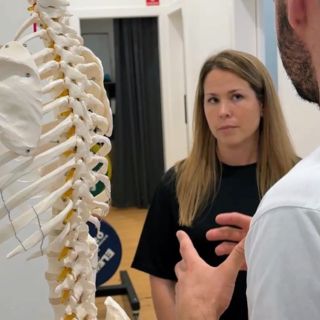
Chiropractic
Chiropractic may be a good fit if your injury recovery feels more linked to stiffness, restriction, compensatory loading or the way your body is moving overall after the injury. It can be especially useful when you want a hands-on assessment, a clearer understanding of what may be driving the issue, and care aimed at improving movement and comfort.
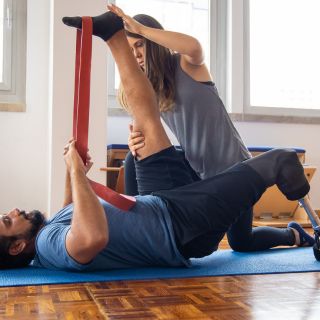
Physiotherapy
Physiotherapy may be a good fit if your injury recovery needs a more rehabilitation-led plan, especially where progression, graded loading, rebuilding strength, return to activity or fear of re-injury are part of the picture. It can be especially useful when you want structured exercise-based support and a clearer pathway back to work, training, sport or daily life.
Related conditions
Injury recovery does not always sit in isolation. Depending on what is driving the presentation, some of the pages below may also be relevant — especially if the recovery journey is linked to a specific injury type or body region.
Sports Injuries
If your recovery is linked to an acute or overload injury from sport, training or recreational activity, this page may also be relevant.
Knee Pain
If your recovery journey is centred around a knee injury, reduced load tolerance or getting back to movement confidently, this page may also be relevant.
Ankle Sprain
If the recovery process is more specifically linked to a rolled ankle, swelling, instability or return to sport, this page may also be relevant.
Rotator Cuff Tear
If your recovery journey involves shoulder weakness, tear-related rehab or staged return to function, this page may also be relevant.
Related modalities
If you are trying to understand what treatment might actually involve, these modality pages are a helpful next step. They explain some of the tools we may use as part of a broader plan for injury recovery, depending on what your assessment shows.
Functional Screening
Functional screening helps work out what has been injured, what is compensating and what the recovery plan needs to target.
Exercise Prescription
Exercise prescription is central for graded rehab, mobility, strength, tolerance and return to activity over time.
Strength Coaching
Strength coaching fits the later-stage recovery piece where rebuilding capacity, resilience and confidence becomes increasingly important.
Want to understand how we work first?
If you are not quite ready to choose a service, that is completely okay. These pages are a good next step if you want to understand how we think about care, what to expect and the most appropriate place to begin.
Our approach
Learn more about how we assess, explain and build treatment plans around diagnosis, movement and long-term progress.
Who we help
Explore the types of people we commonly work with, and the kinds of problems, goals and frustrations that often bring them to the clinic.
Start here
If you are new to Human Movement Co., Start Here will help you understand what to expect and how our process works before you commit to booking.
Frequently Asked Questions (FAQS) about injury recovery
If you’re still trying to work out what injury recovery means in your case, these are some of the most common questions people ask before taking the next step.
That pattern often happens when the pain is improving, but strength, mobility, confidence and tolerance have not yet caught up. In many cases, recovery stalls because the body is still guarding, deconditioned or uncertain under load, even if the early pain phase has passed. For some people, the frustration is that they are no longer badly injured, but they are not fully capable yet either. That is why injury recovery often needs more than just waiting. It needs a clearer understanding of what stage of recovery the body is in and what needs to change for progress to hold.
Yes. Injury recovery does not need to mean you are still in the early injury stage. For many people, the issue is that the pain is improving but the body still feels weak, stiff, hesitant or unreliable. Those patterns still matter, especially if they are interfering with work, training, sport, movement confidence or daily life. In many cases, getting the issue assessed at this stage can help you understand what is contributing to the stalled recovery and what needs to improve next.
A good rule of thumb is that progress should feel structured, not guessed. It is worth getting assessed if you are unsure what stage of recovery you are in, keep having setbacks, or feel caught between not wanting to do too little and being scared of doing too much. You do not need to figure out the progression alone — uncertainty around loading and progression is one of the most common reasons people benefit from a clearer rehab plan.
No. Injury recovery is rarely approached through just one method. The right approach depends on what is actually driving the issue, what stage of recovery you are in, how your body is functioning, and what kind of support you need most right now. Depending on the presentation, care may include hands-on treatment, movement guidance, graded rehab, strength-building, load management and more structured exercise-based support. The goal is to choose the approach that best fits the recovery stage, not force every case into the same treatment style.
It is worth getting injury recovery assessed when the injury is improving but you are still not fully back, when recovery feels stalled, or when you are unsure how to safely progress. Some people come in because strength, mobility or confidence have not come back properly. Others come in because return to work, training or sport feels unclear or keeps leading to setbacks. Either way, if it is affecting your function, recovery, work, sport or peace of mind, it is reasonable to get clarity on what may be going on and what the right next step looks like.
Ready to take the next step?
If you’re still not sure whether now is the right time to book, that’s completely okay. You can speak with a practitioner to talk through your specific situation or concerns, or visit our Start Here page if you’d prefer to get a better sense of how everything works before taking the next step.