

Home › Conditions ›
Rotator cuff tear
A rotator cuff tear is different to ordinary shoulder pain. For many people, the biggest issue is not just discomfort — it is the combination of pain, weakness and reduced confidence using the arm under load. Whether it followed a clear strain, fall, lifting incident or has been building more gradually over time, this page is here to help you better understand what a rotator cuff tear may involve, when it is worth getting checked and what the right next step might look like.
At Human Movement Co., we take a diagnosis-led approach to rotator cuff tears — focused on understanding how the tendon injury is affecting load tolerance, strength and shoulder function, not just chasing short-term relief.
What a rotator cuff tear can feel like
A rotator cuff tear does not always feel the same from one person to the next. For some people it feels like sharp pain lifting the arm, especially overhead or away from the body. For others it shows up more as weakness, pain carrying things, night pain lying on that side, or a shoulder that no longer feels strong and reliable under load. It can happen after an obvious strain or injury, but it can also build more gradually as the tendons become overloaded and more vulnerable over time.
Common symptom patterns
A rotator cuff tear may feel like:
- pain lifting the arm overhead or out to the side
- weakness through the shoulder when carrying, pressing or pulling
- painful arc or sharp pain through certain shoulder ranges
- difficulty raising the arm with confidence
- night pain, especially lying on that side
- a shoulder that feels less powerful or less reliable than it used to
- pain that is more load-related than stiffness-related
Common day-to-day experiences
It often starts to show up in everyday moments like:
- struggling to lift things into cupboards or overhead
- feeling pain or weakness carrying shopping, kids or work gear
- finding gym movements like pressing or pulling more painful than they should be
- feeling apprehensive lowering the arm after lifting it
- waking because the shoulder aches at night
- avoiding certain tasks because the shoulder does not feel trustworthy under load
- feeling like the shoulder is quietly limiting what you can do
Rotator cuff tears can affect all kinds of people — from active adults and gym-goers to tradies, parents and people who have simply overloaded the shoulder over time. Sometimes the tendon is injured more acutely. Sometimes it is part of a slower degenerative pattern where the shoulder gradually becomes more painful and weaker under demand. Either way, it is worth understanding properly when pain and weakness are starting to affect how you use the arm day to day.
Why a rotator cuff tear can keep causing problems
A rotator cuff tear often becomes frustrating not just because it hurts, but because the shoulder no longer handles load the way it used to. For some people it flares with lifting, gym work, throwing or repetitive overhead tasks. For others it shows up more as weakness, loss of confidence and pain with ordinary daily arm use.
In many cases, the issue is not being driven by one sore spot alone. It can reflect a combination of factors — how much of the tendon is involved, how well the shoulder is tolerating load, how the rest of the shoulder complex is compensating, how much strength and control you have around it and whether surrounding structures are starting to work harder to protect the injured area. Rotator cuff tears often sit alongside broader shoulder pain presentations, can sometimes resemble frozen shoulder when movement becomes restricted and are commonly discussed within the context of sports injuries and ongoing injury recovery.
This is also why chasing the symptoms alone often falls short. If the only goal is to calm the shoulder down without understanding how the tendon is coping with demand, how movement is compensating around it, and what needs to be rebuilt, the pattern often stays the same. The pain may settle for a while, but the underlying weakness, reduced load tolerance and movement hesitation remain unchanged. Over time, that can start to look like a shoulder that keeps flaring, tires easily or feels increasingly unreliable.
At Human Movement Co., our approach is to look beyond the sore spot and make sense of the bigger picture. We want to understand how the tendon injury is affecting strength, control and function, and what needs to change to create more durable progress. You can read more about this on our Our Approach page.
How we assess a rotator cuff tear
A rotator cuff tear is not one uniform problem, which is why guessing is rarely enough. Two people can both have shoulder pain, but if one of them is dealing with a tendon tear, the weakness, load sensitivity and rehab needs can be very different — and the right next step depends on understanding what is actually driving it.
When assessing a rotator cuff tear, we look at more than just where it hurts. We look at how the pain behaves, which movements are painful, where the weakness shows up, how the shoulder responds to load, how long it has been going on, and how it is affecting your function and confidence day to day. We also look at whether the shoulder seems more limited by weakness and painful use, rather than simply by stiffness, and how the rest of the body may be compensating around it.
Just as importantly, we want to understand the context around the issue. That might include how it started, whether there was a strain or injury event, work demands, training history, sport, previous shoulder issues, sleep disruption, and whether the tendon problem seems more acute or more gradual. The goal is not just to identify a sore shoulder, but to understand the broader pattern behind the weakness, load intolerance and loss of function.
That is what allows care to be more specific. Before deciding what kind of treatment is most appropriate, we are trying to understand what the tendon is currently tolerating, how the shoulder is compensating, and what needs to improve for progress to hold. You can read more about this and our diagnosis first treatment philosophy on our Our Approach page.
Assess
We assess how your shoulder is functioning under load, where the weakness is showing up and what may be contributing to the rotator cuff pattern over time.
Explain
We explain what we think is going on in clear language, including how the tendon injury may be affecting the shoulder, what needs to change and where hands-on treatment will help.
Plan
We build a treatment plan around the findings, which may include shoulder rehab, exercise prescription and functional screening depending on what your body needs.
How we’ll help
Helping a rotator cuff tear usually involves more than just trying to settle the pain. In many cases, progress comes from combining the right type of treatment with a clearer understanding of how the tendon is responding to load, how much strength has been lost, and what needs to improve over time.
That may involve easing irritation, improving movement, reducing overload through the injured tissues, and helping the shoulder move with less pain and apprehension. It may also involve rebuilding strength, improving control and gradually restoring confidence in the arm as the shoulder becomes more capable under demand again.
Depending on what is going on, care may include shoulder rehab, exercise prescription and functional screening. In many cases, shoulder rehab and exercise prescription are especially important because long-term progress often depends on rebuilding tendon tolerance, strength, control and everyday shoulder function rather than simply resting the problem indefinitely.
The right approach depends on the presentation. Some people need help settling a more reactive shoulder before they can build back up. Others need a more progressive plan because weakness has become the main issue, load tolerance has dropped away or the shoulder is compensating in unhelpful ways. Rotator cuff tears are a common driver of shoulder pain, may overlap with or be confused with frozen shoulder in more restricted presentations and are frequently seen in the context of sports injuries and ongoing injury recovery.
The goal is not just to get through the next few days with less pain, but to help the shoulder feel stronger, more capable and more reliable again — with a clearer path forward, better movement, and progress that holds up beyond the treatment room.
Which service is the right fit?
The right practitioner often depends on what is going on, how your body is functioning, and what kind of care you need most right now. Some people with rotator cuff tears need more hands-on, movement-restoring treatment. Others need a more rehabilitation-led approach focused on rebuilding strength, load tolerance, control and confidence through the shoulder over time. If you are not sure which service is the better fit, that is completely okay. At Human Movement Co., the first appointment follows the same diagnosis-led structure whether you see a chiropractor or a physiotherapist. In both cases, the goal is to understand what is driving the issue, assess how your body is functioning, and build the most appropriate treatment plan from there.
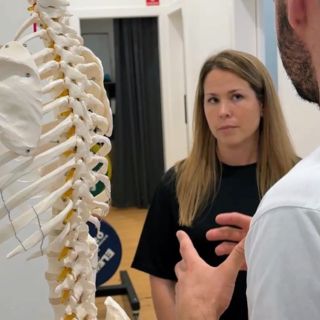
Chiropractic
Chiropractic may be a good fit if your rotator cuff tear feels more linked to restriction, joint irritation, surrounding stiffness or the way the shoulder, neck and upper body are compensating around the injured tendon. It can be especially useful when you want a hands-on assessment, a clearer understanding of what may be driving the issue, and care aimed at improving movement and function.
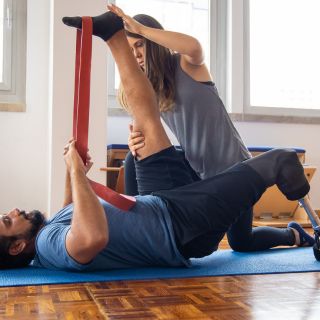
Physiotherapy
Physiotherapy may be a good fit if your rotator cuff tear needs a more rehabilitation-led plan, especially where tendon loading, rebuilding strength, restoring control and a gradual return to function are part of the picture. It can be especially useful when you want structured exercise-based support and a clearer pathway back to daily activity, work, training or sport.
Related conditions
Rotator cuff tears do not always sit in isolation. Depending on what is driving them, some of the pages below may also be relevant — especially if pain, weakness and compensation overlap with other shoulder or recovery presentations.
Shoulder Pain
If your symptoms feel broader and more general through the shoulder, this page may be a useful next step in understanding the parent shoulder-pain pattern.
Frozen Shoulder
If movement has become progressively more restricted and stiffness is becoming a larger part of the picture, this page may also be relevant.
Sports Injuries
If the problem seems more linked to throwing, lifting, gym work, repetitive overload or recreational sport, this page may also be relevant.
Injury Recovery
If you are trying to understand the slower rehab timeline, staged loading and gradual return of function over time, this page may help you better understand the broader pattern.
Related modalities
If you are trying to understand what treatment might actually involve, these modality pages are a helpful next step. They explain some of the tools we may use as part of a broader plan for rotator cuff tears, depending on what your assessment shows.
Shoulder Rehab
Shoulder rehab is often one of the most important parts of rotator cuff tear care because it helps rebuild strength, improve load tolerance and restore more confident arm use over time.
Exercise Prescription
Exercise prescription is central for rebuilding tendon strength, improving control and helping the shoulder return to more normal daily and sporting function over time.
Functional Screening
Functional screening helps clarify movement compensation, loading issues and why the shoulder keeps becoming painful or unreliable under demand.
Want to understand how we work first?
If you are not quite ready to choose a service, that is completely okay. These pages are a good next step if you want to understand how we think about care, what to expect and the most appropriate place to begin.
Our approach
Learn more about how we assess, explain and build treatment plans around diagnosis, movement and long-term progress.
Who we help
Explore the types of people we commonly work with, and the kinds of problems, goals and frustrations that often bring them to the clinic.
Start here
If you are new to Human Movement Co., Start Here will help you understand what to expect and how our process works before you commit to booking.
Frequently Asked Questions (FAQS) about rotator cuff tear
If you’re still trying to work out what a rotator cuff tear means in your case, these are some of the most common questions people ask before taking the next step.
A rotator cuff tear often keeps feeling weak or painful under load because the tendon is no longer managing force the way it should, and the rest of the shoulder can start compensating around that. That might include reduced strength, poor load tolerance, painful lifting, movement habits, work demands, training load or recurring overload through the same tissues. For some people, the frustration is not just pain — it is the feeling that the shoulder no longer feels strong or trustworthy. That is why rotator cuff tears often need more than temporary relief — they need a clearer understanding of what is driving the pattern and what needs to change for progress to hold.
Yes. A rotator cuff tear does not need to be dramatically painful to be worth looking into. For many people, the bigger issue is weakness, painful lifting, reduced load tolerance, night pain or a shoulder that no longer feels dependable under demand. Those patterns still matter, especially if they keep interfering with work, gym, sport, carrying or confidence using the arm. In many cases, getting the issue assessed earlier can help you understand what is contributing to it before the loss of function becomes more disruptive.
A good rule of thumb is that it is worth getting checked if your shoulder keeps hurting with lifting, feels weak under load, starts affecting sleep, or is making you change what you do day to day. It is also worth getting assessed if you are losing confidence in carrying, reaching, pressing, pulling or overhead movement. You do not need to wait for it to become extreme before doing something about it — ongoing or recurring pain-plus-weakness is usually reason enough to understand it properly.
No. Rotator cuff tears are rarely approached through just one method. The right approach depends on how the tendon is coping, how much strength and control have been lost, how your body is compensating, and what kind of support you need most right now. Depending on the presentation, care may include hands-on treatment, shoulder rehab, exercise-based support and more structured progression over time. The goal is to choose the approach that best fits the problem, not force every case into the same treatment style.
It is worth getting a rotator cuff tear assessed when it keeps lingering, keeps hurting under load, or starts limiting what you can do comfortably. Some people come in after a strain, fall or lifting incident. Others come in because the shoulder has quietly become weaker, more painful or less reliable over time. Either way, if it is affecting your daily life, training, work, sleep or peace of mind, it is reasonable to get clarity on what may be going on and what the right next step looks like.
Ready to take the next step?
If you’re still not sure whether now is the right time to book, that’s completely okay. You can speak with a practitioner to talk through your specific situation or concerns, or visit our Start Here page if you’d prefer to get a better sense of how everything works before taking the next step.