
What is chiropractic and is it right for me?
Chiropractic is a form of healthcare focused on how your spine, joints, muscles and nervous system are working together. In simple terms, it looks at how well your body is moving, where strain or restriction may be building up, and what may be contributing to pain, stiffness or recurring issues. At Human Movement Co., chiropractic is not just about short-term relief. It is about understanding what is driving the problem, improving movement, and helping your body function better over time.
Chiropractic care explained
Chiropractic care is hands-on care to help improve joint movement, reduce irritation and ease physical tension. It also includes practical advice, exercises and movement guidance to help you build confidence in your body and support longer-term results.
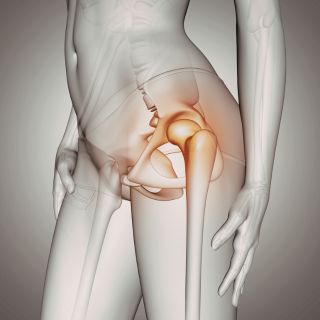
Joints
Your joints are designed to move and share load. When certain joints become stiff, irritated or overloaded, they contribute to pain, tension and compensation in other areas of the body. Chiropractic care looks at how your joints are functioning and whether better function and mobility will reduce strain.
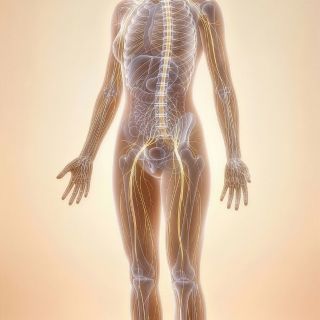
Spine & nervous system
Your spine helps support movement, posture and the way your body responds to physical stress. It also protects the nervous system, which plays a role in how your body communicates, coordinates and adapts. Chiropractic pays close attention to the spine and nervous system, especially when pain, restriction or recurring tension may be affecting how well your body is functioning.

Movement
Pain is only part of the picture. The way you bend, turn, reach, lift and move through daily life matters too. Human Movement Co. looks at movement patterns not just symptoms, to help identify where your body may be under strain and where function can be improved.
Is a Chiropractor the right practitioner for me?
Choosing the right practitioner often comes down to what’s been going on, how your body is functioning, and what kind of care you need most right now. Chiropractic may be a good fit if pain, stiffness or recurring strain seems to be linked to joint restriction, spinal tension, posture-related load or the way your body is moving overall. In some cases, another practitioner may be more suitable — or you may benefit from a combined approach.
When chiropractic may help
Chiropractic may be a good fit if you are dealing with things like back pain, neck pain, headaches, posture-related tension, joint stiffness, or recurring strain that seems to keep coming back. It can also be helpful when your body feels restricted, uneven or not moving as well as it should, especially if you want a hands-on assessment and a clearer understanding of what may be driving the issue. At Human Movement Co., chiropractic is often suited to people looking for practical care that addresses movement, function and long-term physical confidence, not just short-term relief.
When another practitioner may be more suitable
In some cases, physiotherapy may be the better place to start. If your main goal is structured exercise rehabilitation, recovery after an acute injury, post-surgical rehab, strength rebuilding, or a more progressive movement-based plan, physiotherapy may be more appropriate. Some people also benefit from a combined approach, depending on what is going on and what kind of support they need. The most important thing is finding the right fit for your body, your goals and the stage of recovery you are in.
Common conditions we help with
Many of our existing patients started by searching for the problem they were dealing with, not necessarily the type of care they needed. If you’re dealing with pain, stiffness, tension, or recurring movement issues, these pages are a helpful place to learn more about the common conditions we see and how care may help.
Lower Back Pain
Learn more about common causes of lower back pain, how it can affect movement, and when chiropractic care may help.
Neck Pain
Explore neck pain, stiffness and posture-related strain, and what may be contributing to ongoing discomfort.
Shoulder Pain
Understand common sources of shoulder pain and how the neck and upper back can influence your symptoms.
Sciatica
Learn more about sciatic pain, nerve irritation and when assessment and care may help you move more comfortably.
Headaches
Explore the link between headaches, neck tension, posture and physical strain, especially when symptoms keep returning.
Postural Strain
Find out how desk work, daily habits and repetitive load can build into pain, tension and stiffness over time.
Jaw Pain
Learn more about jaw tension, TMJ-related discomfort and the role nearby joints and muscles may be playing.
Scoliosis
Understand scoliosis more clearly, including how it may affect posture, movement and day-to-day physical comfort.
Techniques and modalities we may use
Chiropractic care can involve a range of hands-on techniques, movement-based strategies and clinical tools depending on what is going on and what your body needs. At Human Movement Co., the goal is not to use the same approach for everyone. Care may include joint-based treatment, soft tissue work, functional assessment and exercise guidance, depending on your symptoms, presentation and goals.
Adjustments
Chiropractic adjustments deliver precise, targeted input to improve joint motion, reduce mechanical stiffness and help the body move more freely.
Dry needling
Dry needling may be used to target tight or irritated muscles and help settle tension, discomfort or movement restriction where appropriate.
Pelvic blocking
Pelvic blocking is a gentle, low-force technique that may be used in certain cases to help passively stretch and release the pelvic ligaments.
Soft tissue therapy
Soft tissue therapy may be used to help reduce muscle tension, improve movement and ease areas of overload or guarding around the problem area.
Functional screening
Functional screening helps assess how your body is moving, where strain may be building up, and what patterns may be contributing to pain or restriction.
Exercise Prescription
Exercise prescription may be used to help build strength, improve control and support longer-term changes beyond the treatment room.
How we think about care
At Human Movement Co., chiropractic care sits within a bigger philosophy of helping people understand their body, move with more confidence and achieve progress that lasts. If you want to get a better feel for how we work, who we help, and where to begin if you’re new, these pages are the best next step.
Explore our approach
Learn more about the philosophy behind our care, including how we assess, explain and build treatment plans around movement, function and long-term progress.
Who we help
Explore the types of people we commonly work with, from desk-bound professionals, tradies and active parents and people wanting to stay mobile, capable and confident in their body.
Start here
New to Human Movement Co.? Start Here gives you a clear overview of what to expect at your first appointment and how our process works before you commit to booking.
Choose your clinic
If you’re ready to explore chiropractic care in more detail, the next step is choosing the clinic location that suits you best. Both of our clinics offer movement-focused chiropractic care, with pages that explain more about each location, the team, and how to book.
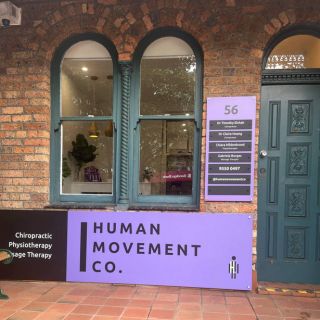
Chiropractic in Leichhardt
Explore our Leichhardt chiropractic page to learn more about our Inner West clinic, how we approach care and next steps if you’re ready to book.
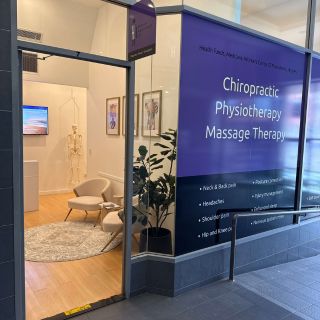
Chiropractic in Gladesville
Explore our Gladesville chiropractic page to learn more about our Lower North shore clinic, how we approach care and next steps if you’re ready to book.
Frequently Asked Questions (FAQS) about chiropractic
If you’re still working out whether chiropractic is the right fit, these are some of the most common questions people have before booking.
Chiropractic may be a good fit if you are dealing with things like back pain, neck pain, headaches, posture-related strain, jaw tension, joint stiffness or recurring movement issues. It can be especially helpful when you want a clearer understanding of what may be driving the problem, not just short-term symptom relief. The best place to start is with a proper assessment so we can work out whether chiropractic is the right fit for you.
Your first appointment is designed to help us understand what has been going on, assess how your body is moving, and arrive at a clear diagnosis. We will talk through your history, perform a physical assessment, explain our findings clearly, and outline the most appropriate next step based on what we find. Where appropriate, care may begin on the day, but the priority is always diagnosis and clarity first.
No. While adjustments can be one useful part of chiropractic care, they are not the only tool we use. Depending on your presentation, care may also include soft tissue therapy, dry needling, movement assessment, exercise prescription and practical guidance to support longer-term progress.
Both chiropractic and physiotherapy aim to help people move better and feel better, but the style and emphasis can differ depending on the practitioner and the problem. Chiropractic often places more focus on joint movement, spinal function, hands-on care and how the body is moving as a whole. Physiotherapy is often more exercise-based and rehabilitation-focused, especially for injury recovery and progressive strength rebuilding. At Human Movement Co., both services are movement-focused and designed to help you make meaningful progress.
In most cases, yes. Problems like posture-related strain, tension headaches and jaw discomfort can be influenced by the way the neck, upper back, jaw and surrounding muscles and joints are functioning. Chiropractic may help when these areas are contributing to pain, stiffness or movement restriction, although the right approach always depends on the individual and what is actually driving the issue.
No. Many people book because they know something does not feel right, but they are not sure what the issue is or which service is the best fit. That is a normal place to start. The purpose of the first appointment is to assess what is going on, explain it clearly, and help you understand the most appropriate next step.
Ready to take the next step?
If chiropractic feels like the right fit, you can book your first appointment online. If you’re not quite ready to book, you can speak with a practitioner first to talk through your symptoms, whether care feels appropriate and the best next step.