

Home › Conditions ›
Pelvic pain
Pelvic pain can be hard to make sense of because it often sits right through the centre of the body and changes how supported, stable and comfortable movement feels. For some people it shows up as pelvic girdle pain, SIJ-region pain or pubic symphysis discomfort. For others it feels more like a central ache, asymmetrical loading, pain turning in bed, discomfort walking, or a pelvis that just does not feel reliable. Whether it came on suddenly or has been building over time, this page is here to help you better understand what may be contributing to it, when it is worth getting checked and what the right next step might look like.
At Human Movement Co., we take a diagnosis-led approach to pelvic pain — focused on understanding what the pelvis is reacting to under movement and load, why the region has become painful or unstable, and what will help restore stability, strength and movement confidence over time, not just chasing short-term relief.
What pelvic pain can feel like
Pelvic pain does not always feel the same from one person to the next. For some people it feels like a deep ache through the pelvis, around the SIJs or through the front of the pelvic ring. For others it shows up more as pain rolling in bed, pain standing on one leg, discomfort getting dressed, pain getting into or out of the car, or a pelvis that feels shifted, irritated or less stable than it should. It can become noticeable with walking, sleeping, turning, stairs or other transitional movements, and often becomes frustrating because it starts interfering with simple, ordinary things you usually do not even think about.
Common symptom patterns
Pelvic pain may feel like:
- a central ache through the pelvis or pelvic girdle
- pain around the SIJ region
- pubic symphysis discomfort or irritation through the front of the pelvis
- pain rolling in bed or turning over
- pain walking, especially for longer distances
- pain standing on one leg or shifting weight unevenly
- a pelvis that feels unstable, irritated or less trustworthy than it used to
Common day-to-day experiences
It often starts to show up in everyday moments like:
- getting dressed and finding it painful to lift one leg
- getting into or out of the car feeling harder than it should
- walking leaving the pelvis sore, heavy or unsettled
- turning in bed and feeling the region catch or ache
- stairs or weight transfer feeling more awkward than normal
- feeling like the pelvis is not moving smoothly or evenly
- losing confidence in transitional movement because the area feels unreliable
Pelvic pain can affect all kinds of people — from active adults and parents to people simply trying to walk comfortably, sleep properly and move without feeling unstable through the middle of the body. Sometimes it follows a clear aggravation. Sometimes it builds more gradually as the pelvis becomes more reactive, less tolerant of asymmetrical load, or harder to trust under movement. Either way, it is worth understanding properly when it starts affecting how you walk, turn, sleep and move day to day.
Why pelvic pain persists
Pelvic pain often becomes frustrating not just because it hurts, but because it keeps showing up in movement patterns and load transfers you use constantly. For some people it flares with walking, stairs, rolling in bed, standing unevenly or repeated turning. For others it builds more quietly through asymmetrical loading, reduced stability, poor tolerance to weight transfer or a pelvis that no longer feels smooth and supported in the way it moves.
In many cases, pelvic pain is not being driven by one single thing. It can reflect a combination of factors — how well the pelvis is tolerating load transfer, how much control and strength you have through the region, how the hips and lower back are contributing to movement, how well you recover from activity, and whether certain patterns are repeatedly irritating the same area. That is part of the reason pelvic pain can overlap with lower back pain, hip pain, sciatica and pregnancy pain. If that sounds familiar, those pages may also be relevant.
This is also why chasing the symptoms alone often falls short. If the only goal is to settle the pain without understanding what the pelvis is actually reacting to, the pattern usually stays the same. The soreness might calm down for a while, but the underlying asymmetry, reduced stability, loading issues or movement habits remain unchanged. Over time, that can start to look like a pelvis that keeps flaring, a body that feels less supported through the middle, or movement that becomes more guarded and hesitant than it needs to be.
At Human Movement Co., our approach is to look beyond the painful area and make sense of the bigger picture. We want to understand what the pelvis is reacting to, why it has become vulnerable under movement and load in the first place and what needs to change to create more durable progress. You can read more about this on our Our Approach page.
How we assess pelvic pain
Pelvic pain is not one uniform problem, which is why guessing is rarely enough. Two people can have pain through the same general region for completely different reasons — and the right next step depends on understanding what is actually driving it.
When assessing pelvic pain, we look at more than just where it hurts. We look at how the pain behaves, what aggravates it, what eases it, how long it has been going on, and how it is affecting your movement, function and confidence day to day. We also look at how the pelvis is handling load transfer, walking, turning and weight-bearing, including the way the hips, lower back and surrounding structures may be contributing to the pattern.
Just as importantly, we want to understand the context around the issue. That might include work demands, walking tolerance, physical habits, previous injuries, pregnancy history where relevant, recovery patterns, or whether the pelvis has become more reactive over time. The goal is not just to identify a painful area, but to understand the broader pattern behind it.
That is what allows care to be more specific. Before deciding what kind of treatment is most appropriate, we are trying to understand what the pelvis is reacting to, what the body is currently tolerating, and what needs to improve for progress to hold. You can read more about this and our diagnosis first treatment philosophy on our Our Approach page.
Assess
We assess how your pelvis is functioning under movement and load, what aggravates the issue and what may be contributing to the pattern over time.
Explain
We explain what we think is going on in clear language, including what may be driving the pain, what needs to change and where hands-on treatment will help.
Plan
We build a treatment plan around the findings, which may include functional screening, exercise prescription and soft tissue therapy depending on what your body needs.
How we’ll help
Helping pelvic pain usually involves more than just trying to settle the sore spot. In many cases, progress comes from combining the right type of treatment with a clearer understanding of what the pelvis is reacting to, how much load transfer and movement it is currently tolerating, and what needs to improve over time.
That may involve easing irritation, improving movement, reducing overload through the region, and helping the body feel less guarded and more supported through the middle. It may also involve rebuilding strength, improving control, and gradually increasing confidence in walking, turning, sleeping, standing unevenly and other movements that have started to feel unreliable.
Depending on what is going on, care may include functional screening, exercise prescription and soft tissue therapy. In some cases, adjustments are also important because long-term progress often depends on improving stability, control, symmetry and load tolerance through the pelvis rather than simply resting the problem and hoping it resolves.
The right approach depends on the presentation. Some people need help settling a more reactive flare-up before they can build back up. Others need a more progressive rehab plan because the pain is recurring, the pelvis feels unstable, or movement tolerance has dropped away. That is part of the reason pelvic pain can sometimes overlap with issues like lower back pain, hip pain, sciatica and pregnancy pain, depending on what is driving the pattern.
The goal is not just to get through the next few days with less pain, but to help your pelvis feel steadier, stronger and more reliable again — with a clearer path forward, better movement, and progress that holds up beyond the treatment room.
Which service is the right fit?
The right practitioner often depends on what is going on, how your body is functioning, and what kind of care you need most right now. Some people with pelvic pain need more hands-on, movement-restoring treatment. Others need a more rehabilitation-led approach focused on rebuilding strength, stability, load tolerance, control and confidence through the middle of the body over time. If you are not sure which service is the better fit, that is completely okay. At Human Movement Co., the first appointment follows the same diagnosis-led structure whether you see a chiropractor or a physiotherapist. In both cases, the goal is to understand what is driving the issue, assess how your body is functioning, and build the most appropriate treatment plan from there.
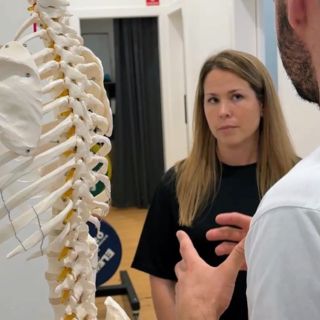
Chiropractic
Chiropractic may be a good fit if your pelvic pain feels more linked to movement restriction, joint irritation, asymmetrical loading or the way your body is moving overall. It can be especially useful when you want a hands-on assessment, a clearer understanding of what may be driving the issue, and care aimed at improving movement and function.
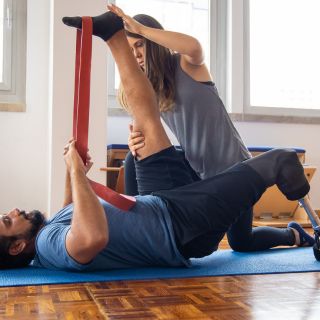
Physiotherapy
Physiotherapy may be a good fit if your pelvic pain needs a more rehabilitation-led plan, especially where strength, stability, load tolerance, movement confidence, injury recovery or reduced trust in the region are part of the picture. It can be especially useful when you want structured exercise-based support and a clearer pathway back to daily activity, work, training or sport.
Related conditions
Pelvic pain does not always sit in isolation. Depending on what is driving it, some of the pages below may also be relevant — especially if symptoms overlap with the lower back, hips, nerve-like pain or pregnancy-related changes.
Lower Back Pain
If your pelvic pain overlaps with lumbar discomfort, stiffness or lower back irritation, this page may also be relevant.
Hip Pain
If hip mechanics, stiffness or side-of-hip discomfort seem to be closely interacting with the way your pelvis is moving and loading, this page may also be relevant.
Sciatica
If glute pain, buttock pain or nerve-like symptoms into the leg seem to be part of the picture, this page may also be relevant.
Pregnancy Pain
If pelvic pain seems to be strongly linked to pregnancy, body change or early-motherhood strain, this page may also be relevant.
Related modalities
If you are trying to understand what treatment might actually involve, these modality pages are a helpful next step. They explain some of the tools we may use as part of a broader plan for pelvic pain, depending on what your assessment shows.
Functional Screening
Functional screening helps work out whether the pain is being driven more by the pelvis, hips, lower back, or the movement pattern itself.
Exercise Prescription
Exercise prescription is important for restoring control, stability, load tolerance and long-term improvement through the pelvis and surrounding structures.
Soft Tissue Therapy
Soft tissue therapy is practical for surrounding muscular tension, protective guarding and helping the region feel more comfortable as it settles.
Want to understand how we work first?
If you are not quite ready to choose a service, that is completely okay. These pages are a good next step if you want to understand how we think about care, what to expect and the most appropriate place to begin.
Our approach
Learn more about how we assess, explain and build treatment plans around diagnosis, movement and long-term progress.
Who we help
Explore the types of people we commonly work with, and the kinds of problems, goals and frustrations that often bring them to the clinic.
Start here
If you are new to Human Movement Co., Start Here will help you understand what to expect and how our process works before you commit to booking.
Frequently Asked Questions (FAQS) about pelvic pain
If you’re still trying to work out what pelvic pain means in your case, these are some of the most common questions people ask before taking the next step.
Pelvic pain often keeps returning when the flare-up settles, but the underlying pattern has not really changed. That might include the way your pelvis is handling load transfer, reduced stability or control, movement habits, recovery, work demands, or recurring irritation through the same area. For some people, the frustration is that the pelvis becomes the part of the body that keeps reacting every time weight shifts, movement changes or life asks too much of it. That is why pelvic pain often needs more than temporary relief — it needs a clearer understanding of what is driving the pattern and what needs to change for progress to hold.
Yes. Pelvic pain does not need to be severe to be worth looking into. For many people, it shows up more as instability, asymmetry, low-level aching, SIJ-region pain, pubic symphysis discomfort, or a pelvis that feels less trustworthy than it used to under movement and load. Those patterns still matter, especially if they keep interfering with comfort, walking, sleep, movement or confidence. In many cases, getting the issue assessed earlier can help you understand what is contributing to it before it becomes more disruptive.
A good rule of thumb is that it is worth getting checked if it keeps returning, has started affecting how you walk or function, or is making you change what you do day to day. It is also worth getting assessed if you are losing confidence in walking, turning in bed, standing unevenly, getting dressed, getting in or out of the car or getting through work comfortably. You do not need to wait for it to become extreme before doing something about it — ongoing or recurring pelvic pain is usually reason enough to understand it properly.
No. Pelvic pain is rarely approached through just one method. The right approach depends on what is actually driving the issue, how your body is functioning, and what kind of support you need most right now. Depending on the presentation, care may include hands-on treatment, movement guidance, rehab, strength-building, load management and more structured exercise-based support. The goal is to choose the approach that best fits the problem, not force every case into the same treatment style.
It is worth getting pelvic pain assessed when it keeps lingering, keeps returning, or starts limiting what you can do comfortably. Some people come in after a flare-up with walking, rolling in bed or uneven loading. Others come in because the pelvis has quietly become more sore, unstable or unreliable over time. Either way, if it is affecting your daily life, training, work, sleep or peace of mind, it is reasonable to get clarity on what may be going on and what the right next step looks like.
Ready to take the next step?
If you’re still not sure whether now is the right time to book, that’s completely okay. You can speak with a practitioner to talk through your specific situation or concerns, or visit our Start Here page if you’d prefer to get a better sense of how everything works before taking the next step.