

Home › Conditions ›
Postural strain
Postural strain often does not arrive as one dramatic injury. It usually builds more quietly — through long hours sitting, repeated screen time, poor posture, low movement variety, stress, and the kind of daily physical load that slowly leaves the body feeling tighter, heavier and less comfortable than it should. Whether it has been building in the background for months or you are only just starting to notice it, this page is here to help you better understand what may be contributing to it, when it is worth getting checked and what the right next step might look like.
At Human Movement Co., we take a diagnosis-led approach to postural strain — focused on understanding why the body is gradually tightening, fatiguing or getting more uncomfortable through everyday load, not just chasing short-term relief.
What postural strain can feel like
Postural strain does not usually feel sharp or dramatic. For some people it feels like a steady ache or heaviness through the neck, shoulders, upper back or lower back. For others it shows up more as tightness, fatigue, end-of-day stiffness, tension headaches, or a body that just feels more wound up and compressed the longer the day goes on. It can build gradually until everyday work, sitting, driving or screen time starts feeling harder on the body than it should.
Common symptom patterns
Postural strain may feel like:
- tightness through the neck, shoulders or upper back
- a dull ache that builds the longer you sit or work
- heaviness through the body by the end of the day
- stiffness after being in one position too long
- recurring tension that never quite feels “injured” but never quite feels right
- fatigue through the upper body and between the shoulder blades
- a body that feels wound up, compressed or less comfortable than it used to
Common day-to-day experiences
It often starts to show up in everyday moments like:
- feeling sore after a full day at the desk or on the computer
- needing to stretch constantly just to feel okay
- finding long drives, meetings or screen time increasingly uncomfortable
- noticing the shoulders creeping up or the upper back tightening through the day
- feeling more stiff and irritable by late afternoon or evening
- losing confidence that your body will feel good if you keep doing what your day requires
- feeling like your posture, tension and stress are all layering on top of each other
Postural strain can affect all kinds of people — from desk-bound professionals and busy parents to tradies, students and people under constant cognitive or physical load. Sometimes it reflects a workstation setup or repeated daily position. Sometimes it is more about poor posture layering together with reduced strength, low movement variety, poor recovery, stress, or a body that has become less resilient over time. Either way, it is worth understanding properly when it starts affecting how you feel in your body day to day.
Why postural strain persists
Postural strain often becomes frustrating not because it is severe, but because it keeps building. For some people it ramps up through long days at the computer, repeated sitting, driving or low movement variety. For others it seems to layer on through stress, poor recovery, lack of strength work, and the cumulative load of work, parenting and daily life.
In many cases, postural strain is not being driven by one single thing. Poor posture may be part of the picture, but it is rarely the whole story. It can reflect a combination of factors — how long your body is spending in the same positions, how much movement variability you have through the day, how well you recover from daily load, how much strength and support you have through the body, and whether certain habits are repeatedly feeding tension into the same areas. That is part of the reason postural strain can overlap so often with neck pain, shoulder pain, lower back pain and even headaches. If that sounds familiar, such pages may also be relevant.
This is also why chasing the symptoms alone often falls short. If the only goal is to release the tension without understanding why it keeps building, the pattern usually stays the same. The body might feel better for a while, but the underlying load, movement habits, workstation demands, reduced capacity or recovery issues remain unchanged. Over time, that can start to look like a body that keeps tightening up, a nervous system that feels harder to settle, or tension that starts becoming more persistent and intrusive.
At Human Movement Co., our approach is to look beyond the sore spots and make sense of the bigger picture. We want to understand what the body is reacting to, why it has become vulnerable to repeated daily load in the first place and what needs to change to create more durable progress. You can read more about this on our Our Approach page.
How we assess postural strain
Postural strain is not one uniform problem, which is why guessing is rarely enough. Two people can both feel “tight” or “out of alignment” for completely different reasons — and the right next step depends on understanding what is actually driving it.
When assessing postural strain, we look at more than just where it hurts. We look at how the tension behaves, what positions aggravate it, what seems to relieve it, how long it has been going on, and how it is affecting your comfort, movement and confidence day to day. We also look at how your body is moving as a whole, including whether poor posture, repeated daily positions or low movement variety are leaving certain regions overloaded because the body is spending too much time doing too little variety.
Just as importantly, we want to understand the context around the issue. That might include work demands, screen time, stress, physical habits, workstation setup, previous injuries, exercise history, recovery patterns, or whether the body has gradually become more reactive over time. The goal is not just to identify a sore area, but to understand the broader pattern behind it.
That is what allows care to be more specific. Before deciding what kind of treatment is most appropriate, we are trying to understand what the body is reacting to, what it is currently tolerating, and what needs to improve for progress to hold. You can read more about this and our diagnosis first treatment philosophy on our Our Approach page.
Assess
We assess how your body is functioning under everyday load, what aggravates the tension and what may be contributing to the pattern over time.
Explain
We explain what we think is going on in clear language, including what may be driving the tension, what needs to change and where hands-on treatment will help.
Plan
We build a treatment plan around the findings, which may include adjustments, dry needling, soft tissue therapy and exercise prescription depending on what your body needs.
How we’ll help
Helping postural strain usually involves more than just trying to release the tight area. In many cases, progress comes from combining the right type of treatment with a clearer understanding of what the body is reacting to, how much repeated load it is currently tolerating, and what needs to improve over time.
That may involve easing tension, improving movement, reducing overload through the areas that are working too hard, and helping the body feel less compressed and more comfortable through the day. It may also involve rebuilding strength, improving movement variety, and gradually increasing your body’s ability to cope with daily load without tightening up so quickly.
Depending on what is going on, care may include adjustments, dry needling, soft tissue therapy and exercise prescription. In some cases, part of progress is not just helping the body settle down, but helping it cope better with the repeated postures, positions and demands — including poor posture — that have been driving the pattern.
The right approach depends on the presentation. Some people need help settling a more wound-up body before they can build up to preventative measures. Others need a more progressive plan because the tension is recurring, resilience has dropped or the body has started compensating for too much. That is part of the reason postural strain can sometimes overlap with issues like neck pain, shoulder pain, lower back pain or headaches, depending on what is driving the pattern.
The goal is not just to get through the next few days with less tension, but to help your body feel more comfortable, adaptable and reliable again — with a clearer path forward, better movement and progress that holds up beyond the treatment room.
Which service is the right fit?
The right practitioner often depends on what is going on, how your body is functioning, and what kind of care you need most right now. Some people with postural strain need more hands-on, movement-restoring treatment. Others need a more rehabilitation-led approach focused on rebuilding strength, improving tolerance to daily load and progressing recovery over time. If you are not sure which service is the better fit, that is completely okay. At Human Movement Co., the first appointment follows the same diagnosis-led structure whether you see a chiropractor or a physiotherapist. In both cases, the goal is to understand what is driving the issue, assess how your body is functioning, and build the most appropriate treatment plan from there.
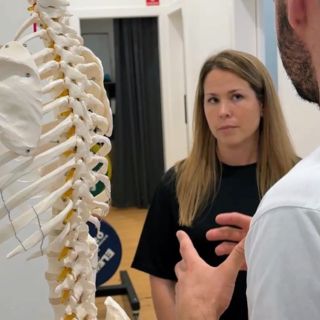
Chiropractic
Chiropractic may be a good fit if your postural strain feels more linked to stiffness, restriction, recurring tension, joint irritation or the way your body is moving overall. It can be especially useful when you want a hands-on assessment, a clearer understanding of what may be driving the issue, and care aimed at improving movement and function.
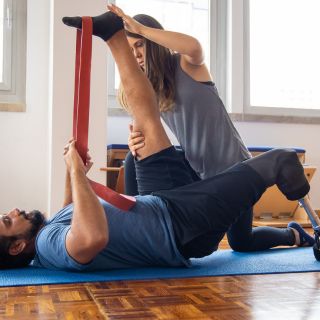
Physiotherapy
Physiotherapy may be a good fit if your postural strain needs a more rehabilitation-led plan, especially where strength, load tolerance, reduced physical resilience or loss of confidence in movement are part of the picture. It can be especially useful when you want structured exercise-based support and a clearer pathway back to feeling stronger and more comfortable in your body.
Local postural strain care by clinic
If you already know you are looking for help with postural strain and want to explore your local options, these pages are a good next step.
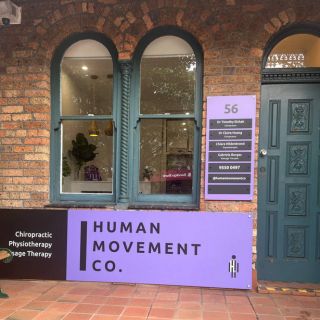
Leichhardt
Explore care options for postural strain at our Leichhardt clinic.
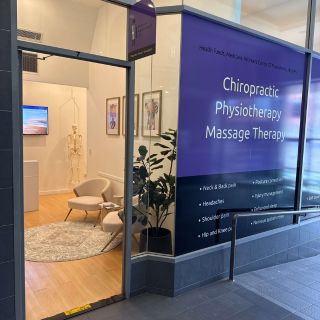
Gladesville
Explore care options for postural strain at our Gladesville clinic.
Related conditions
Postural strain does not always sit in isolation. Depending on what is driving it, some of the pages below may also be relevant — especially if the tension is settling into one area more than another, or if the issue has become more persistent over time.
Neck Pain
If your postural strain is showing up more through the neck with stiffness, upper trapezius tightness or recurring discomfort, this page may also be relevant.
Shoulder Pain
If your tension is concentrating more through the shoulders or around arm use and shoulder loading, this page may also be relevant.
Lower Back Pain
If your postural strain is showing up more through the lower back, sitting tolerance or recurring ache through the trunk, this page may also be relevant.
Headaches
If tension is building upward and contributing to recurring headaches or head pressure, this page may help you better understand the broader pattern.
Related modalities
If you are trying to understand what treatment might actually involve, these modality pages are a helpful next step. They explain some of the tools we may use as part of a broader plan for postural strain, depending on what your assessment shows.
Adjustments
Adjustments may be an appropriate part of care when restoring movement through the spine and nearby joints is likely to help reduce stiffness and improve how the body is functioning under load.
Dry Needling
Dry needling may help settle stubborn muscular tension and reduce the feeling of areas that stay wound up or overloaded through the day.
Exercise Prescription
Exercise prescription may be used to rebuild strength, improve movement variety and help the body cope better with repeated daily load over time.
Soft Tissue Therapy
Soft tissue therapy may be used to reduce tension, improve comfort and help settle overloaded regions that are working too hard day after day.
Want to understand how we work first?
If you are not quite ready to choose a service, that is completely okay. These pages are a good next step if you want to understand how we think about care, what to expect and the most appropriate place to begin.
Our approach
Learn more about how we assess, explain and build treatment plans around diagnosis, movement and long-term progress.
Who we help
Explore the types of people we commonly work with, and the kinds of problems, goals and frustrations that often bring them to the clinic.
Start here
If you are new to Human Movement Co., Start Here will help you understand what to expect and how our process works before you commit to booking.
Frequently Asked Questions (FAQS) about postural strain
If you’re still trying to work out what postural strain means in your case, these are some of the most common questions people ask before taking the next step.
Postural strain often keeps returning when the tension settles, but the underlying pattern has not really changed. That might include long hours sitting, repeated daily load, poor posture, low movement variety, reduced strength or resilience, movement habits, recovery, work demands or ongoing stress. For some people, the body becomes the part of the system that keeps absorbing the same small loads until it becomes tight and uncomfortable again. That is why postural strain often needs more than temporary relief — it needs a clearer understanding of what is driving the pattern and what needs to change for progress to hold.
Yes. Postural strain does not need to be severe to be worth looking into. For many people, it shows up more as recurring tightness, heaviness, low-level aching, end-of-day stiffness, or a body that feels wound up and uncomfortable more often than it should. Those patterns still matter, especially if they keep interfering with comfort, movement or confidence. In many cases, getting the issue assessed earlier can help you understand what is contributing to it before it becomes more disruptive.
A good rule of thumb is that it is worth getting checked if it keeps returning, has started affecting how you feel or function through the day, or is making you change what you do to stay comfortable. It is also worth getting assessed if you are losing confidence in sitting, working, driving, training, sleeping or just feeling good in your body. You do not need to wait for it to become extreme before doing something about it — ongoing or recurring tension is usually reason enough to understand it properly.
No. Postural strain is rarely approached through just one method. The right approach depends on what is actually driving the tension, how your body is functioning, and what kind of support you need most right now. Depending on the presentation, care may include hands-on treatment like chiropractic adjustments, dry needling, soft tissue work, movement guidance, rehab, strength-building and more structured exercise-based support. The goal is to choose the approach that best fits the problem, not force every case into the same treatment style.
It is worth getting postural strain assessed when it keeps lingering, keeps returning, or starts limiting how comfortable you feel through the day. Some people come in after a particularly demanding period of work or stress. Others come in because their body has quietly become tighter, heavier or less resilient over time. Either way, if it is affecting your daily life, training, work, sleep or peace of mind, it is reasonable to get clarity on what may be going on and what the right next step looks like.
Ready to take the next step?
If you’re still not sure whether now is the right time to book, that’s completely okay. You can speak with a practitioner to talk through your specific situation or concerns, or visit our Start Here page if you’d prefer to get a better sense of how everything works before taking the next step.